Music
A listening room is a place to sit with sound. This one houses the long story of my voice. Visit slowly.
Note: this page is under construction. Check back often.
Original Music
I left for a while. I am back, and I'm bringing everything I picked up along the way.
Access my Spotify Profile here.
Take Me Back
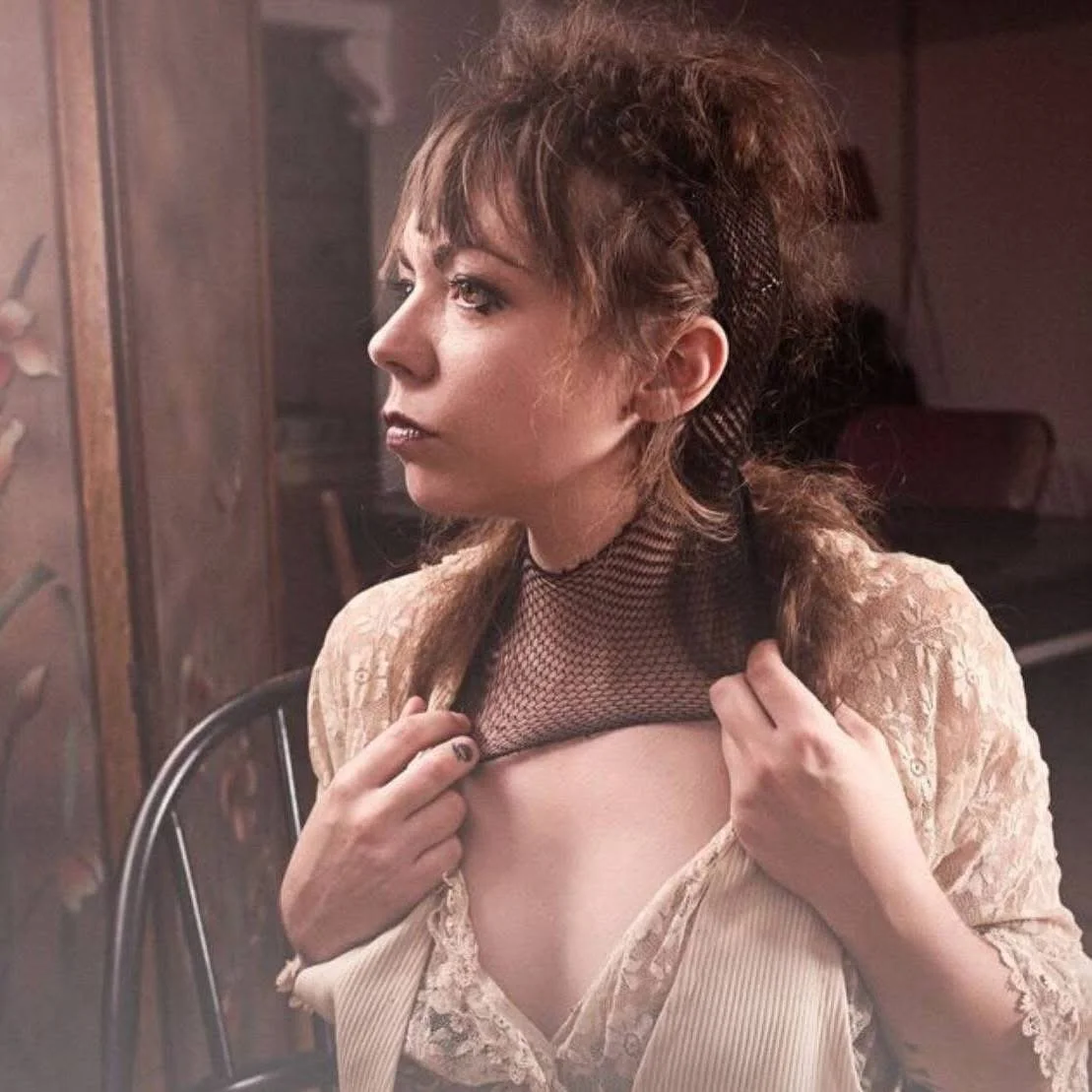
I wrote this song about my father who didn’t stay.
It's also about what a daughter reaches for in his absence — sometimes for years, sometimes for the rest of her life, often without knowing she's reaching.
Listeners have heard "Take Me Back" as a song about a lover. That reading is right too. We look for the love we didn't get as children, and we usually find it first in the wrong places. The song holds both at once.
Take Me Back lives alongside the essay Inheritance of Misanthropy. The full story is there.
Men in Leather
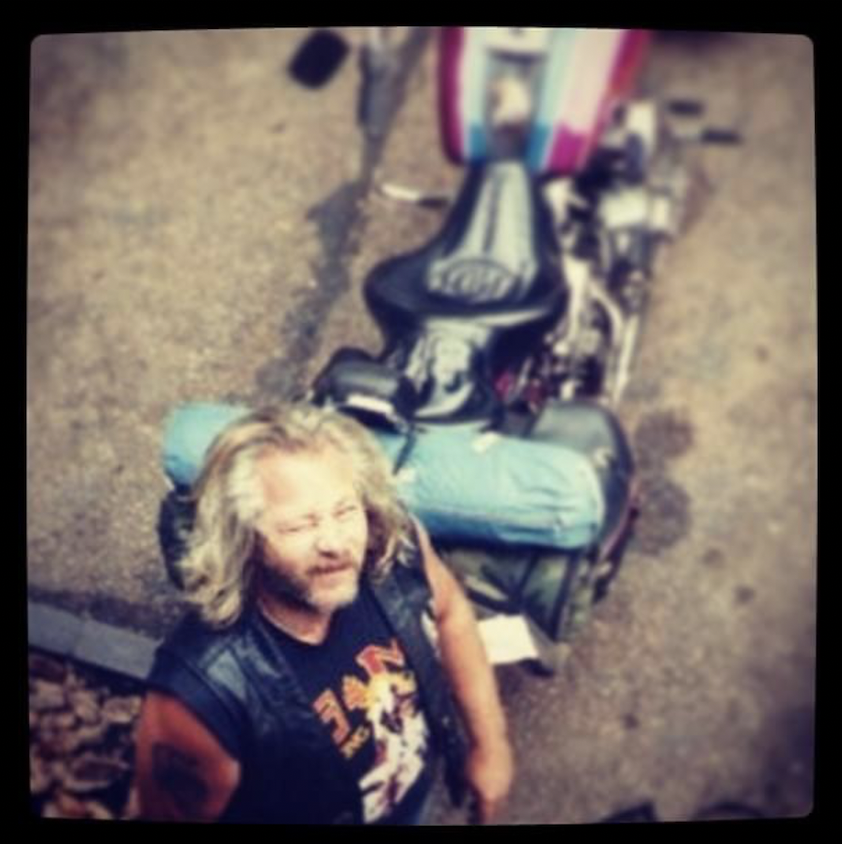
"Men in Leather" came out of a relationship I had with an older man in a world I should probably not have been in. The song is triumphant and a little nostalgic — it remembers a time when I was being raised by the wrong people in the right way, or maybe the right people in the wrong way. I'm still working out which.
If "Take Me Back" is the song about the wound, this is the song about what the wound did once it could drive. We look for fathers in the places that look like fathers. Some of us find good ones. Some of us find Outlaws.
Men in Leather is through-composed — no chorus, just the story moving forward. The essay that goes with it is coming. I'll link it here when it exists.
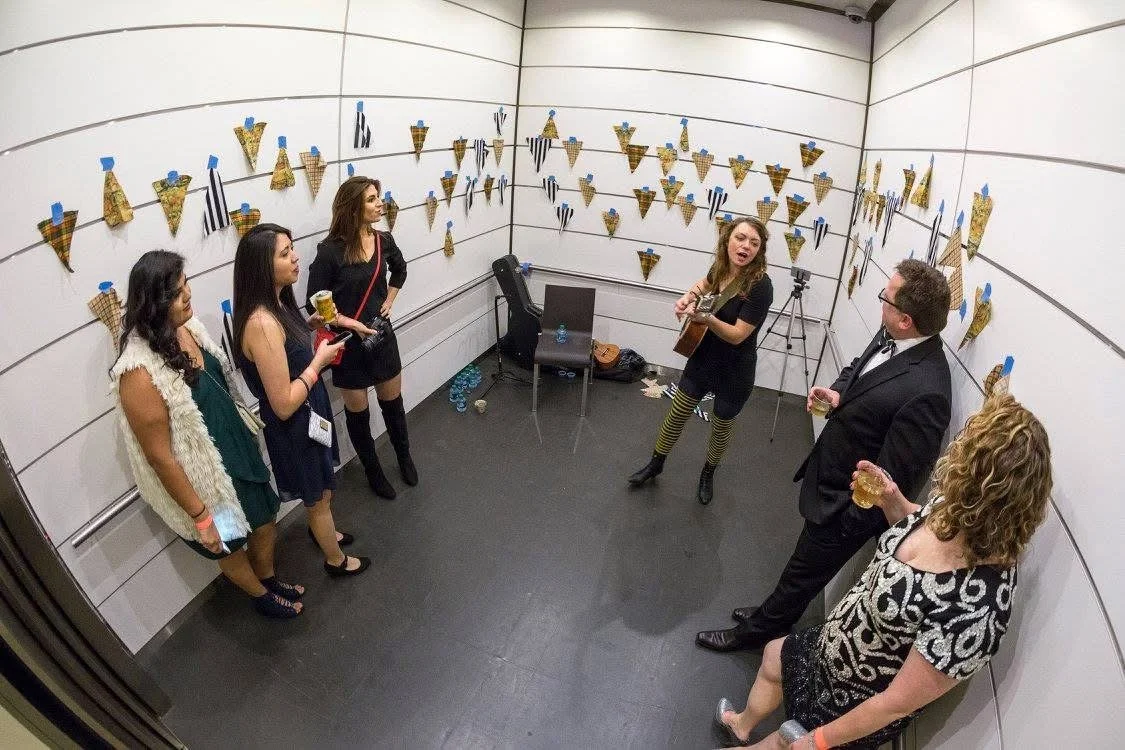
Get Along
"Get Along" is about the turning. The kind where the path you're on is the right one by every external measure — good at it, well-paid, recognized — and something inside you keeps quietly insisting it's the wrong one. Not this, not this, not this, until you can't unhear it.
I wrote it the first time I had to listen to that voice. I've had to listen to it again since. Most of us have some version of this turn waiting for us. Some of us take it more than once.
Get Along lives near the essay Inheritance of Misanthropy. Some turnings are walking away from a path. Some are walking away from a person. Sometimes they are the same walk.
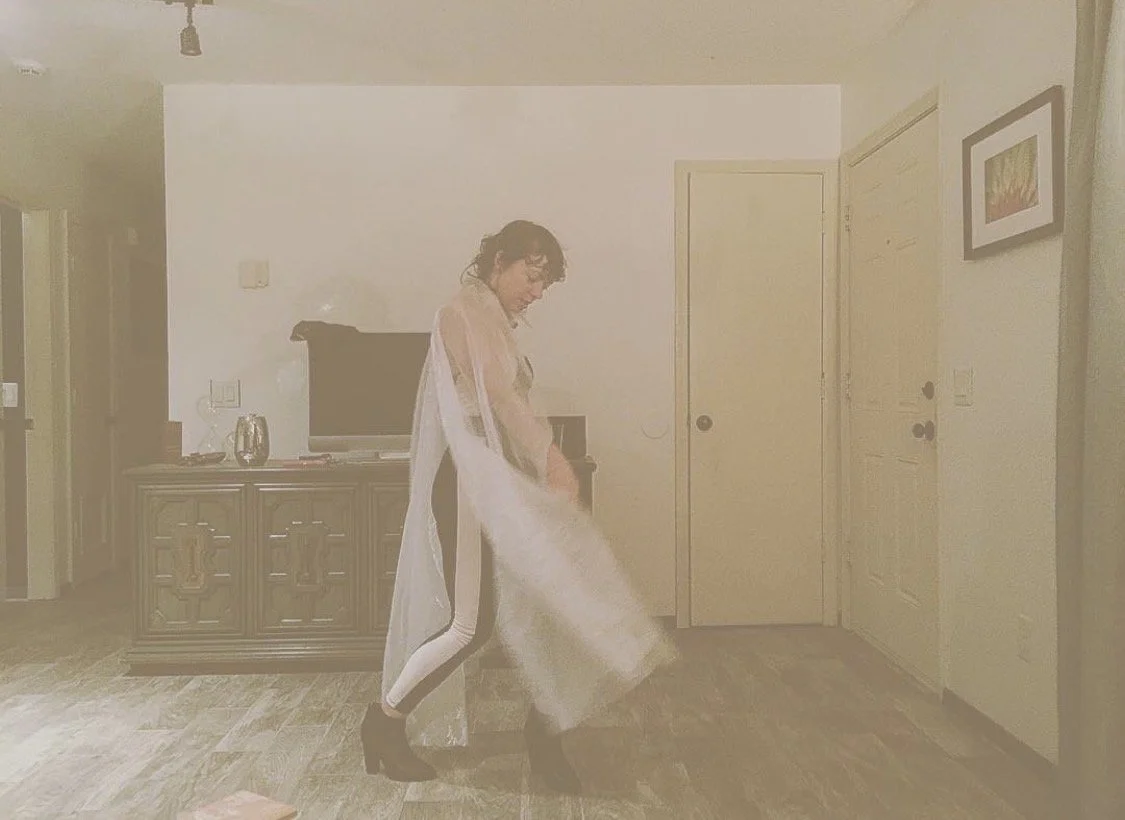
Strange Drug
"Strange Drug" is written as a dialogue. The first verse is the voice of a man's appetite, possessive and unconcealed. The second is a Southern fundamentalist daughter's response — guilt and shame follow me around boy when I show my ass too much — the inherited script trying to manage what's already happening. The chorus is where the two voices collapse into one. You're a strange drug releasing firing chemicals in my system. By then the dialogue is over. Both parties are caught in the same chemistry.
I wrote this in 2018, before I had language for half of what was in it. Looking back now, it's a song about how desire and shame share a body, and how that body keeps going anyway.
The Coverlets 2013-Present
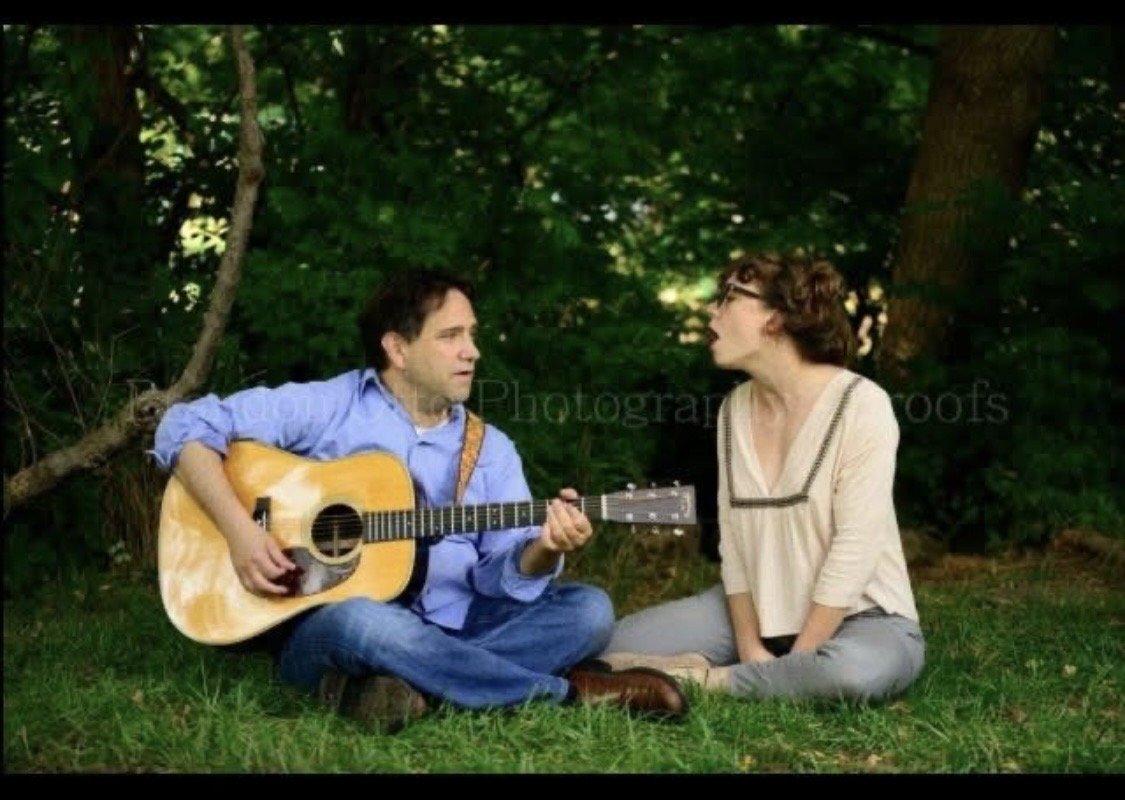
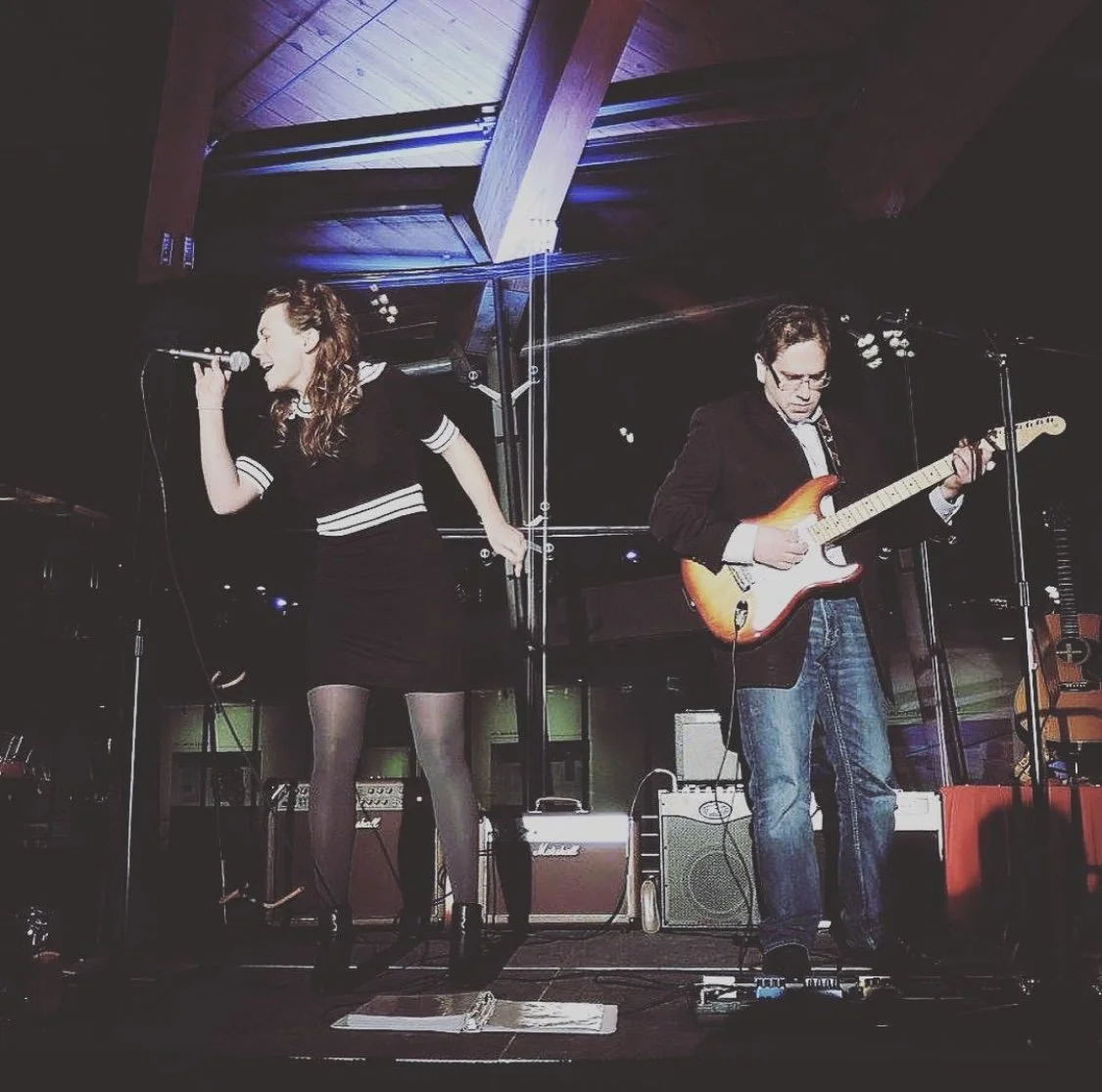
The Coverlets is a duo I perform in with art historian and curator Leo Mazow. Since 2013, we've built concerts around the visual art Leo studies and writes about — sets that invite audiences to hear an exhibition as much as see it.
The Coverlets at Crystal Bridges Museum of American Art
Thomas Hart Benton and the American Sound
Our flagship program grew out of Leo's book Thomas Hart Benton and the American Sound (Penn State University Press, 2012), which won the Smithsonian's Charles C. Eldredge Prize for Distinguished Scholarship in American Art. The book argues that Benton — the regionalist painter, a working musician who invented his own harmonica tablature — built his paintings to register sound: train whistles, jackhammers, hymns, folk songs, the noise of American life. Our Benton concerts performed the songs his paintings were listening to.
We took the program to the Smithsonian American Art Museum, the National Gallery, Crystal Bridges, the VMFA, and a dozen other institutions over roughly a decade.
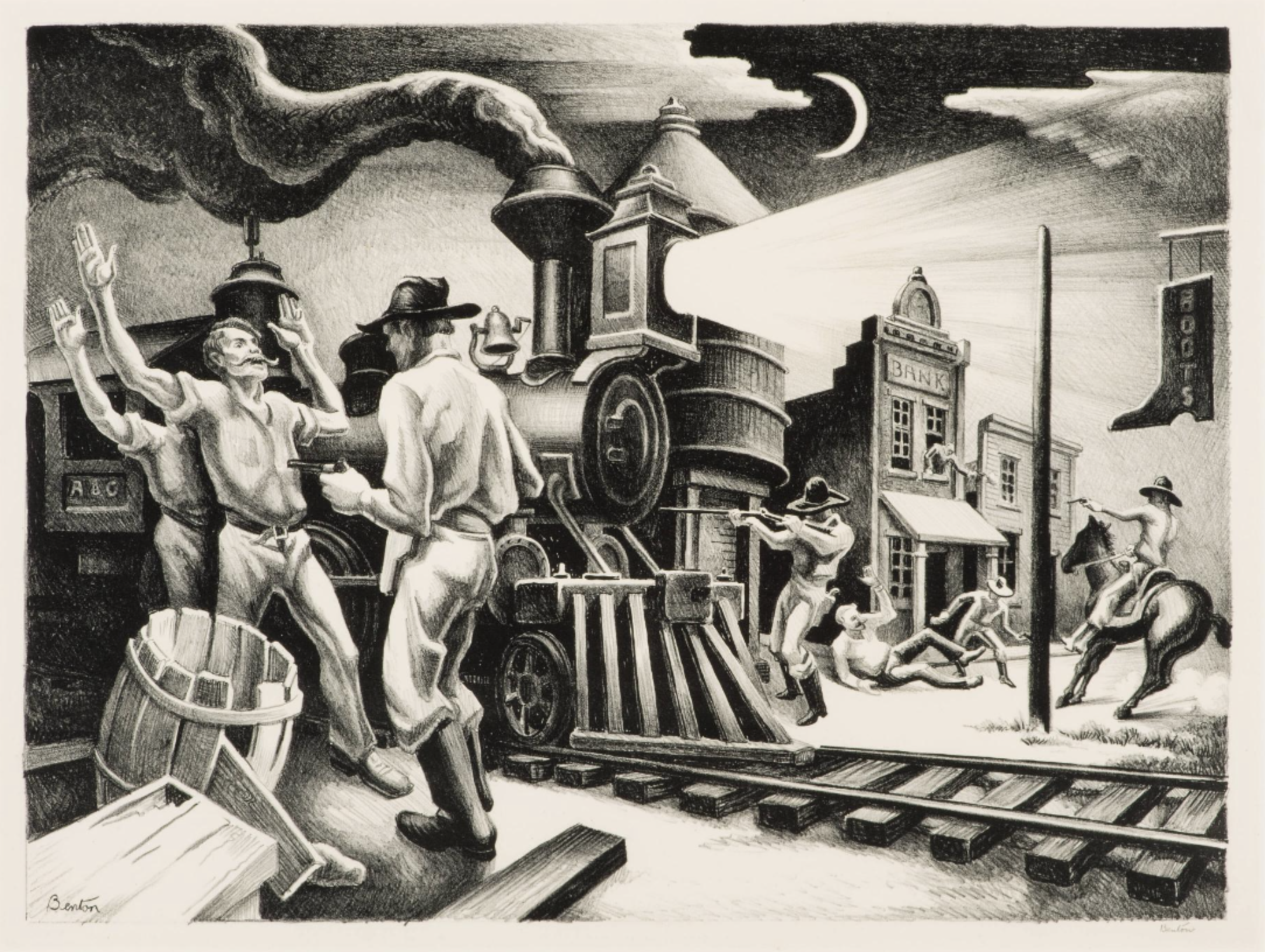
Jesse James, below, is a regular on that tour.
Lithography by Thomas Hart Benton Jesse James(1936)
Edward Hopper and the American Hotel
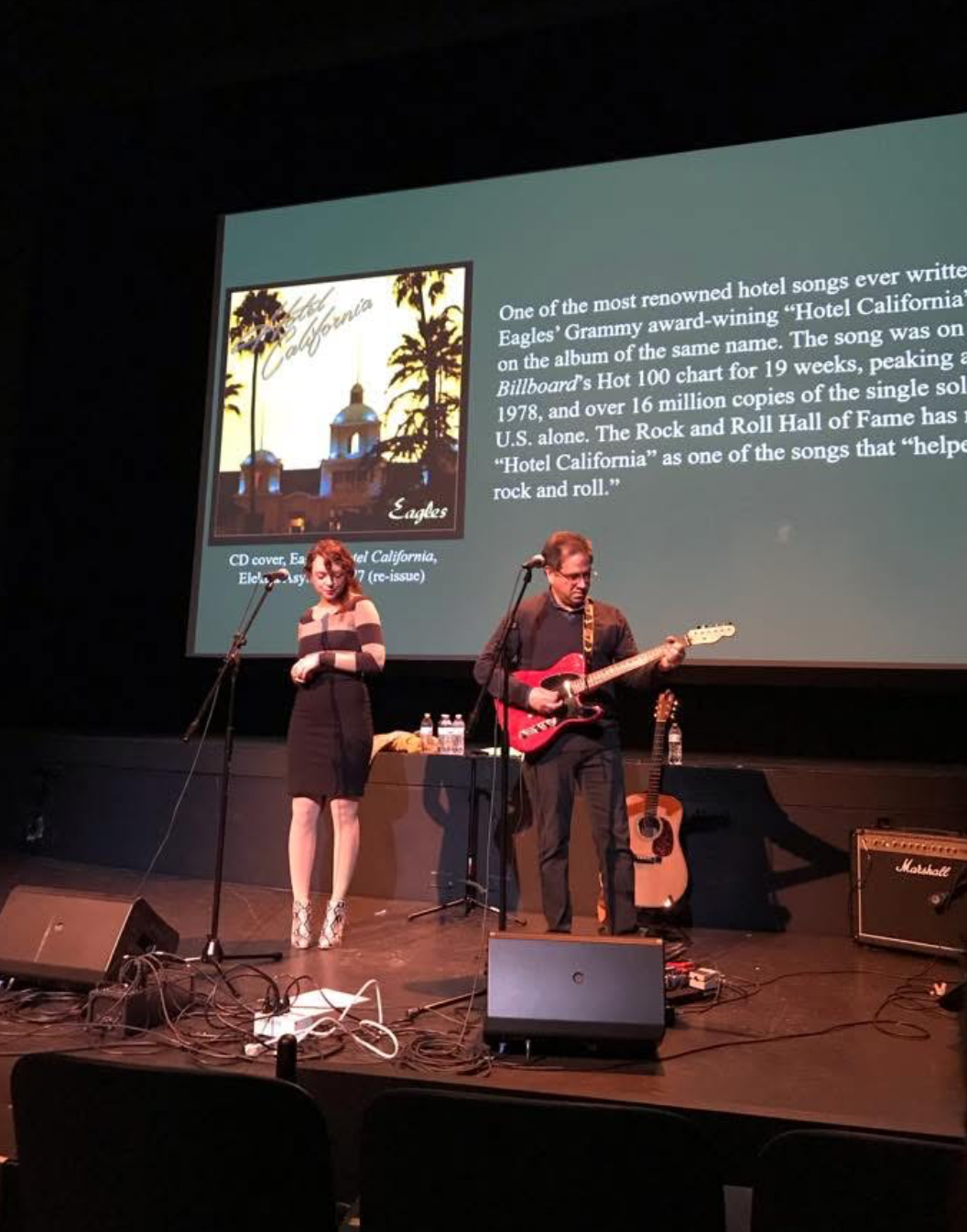
"There's a Small Hotel" came into our repertoire through Leo's Edward Hopper and the American Hotel — the book that accompanied the major Hopper exhibition he curated at the Virginia Museum of Fine Arts in 2019–2020. The exhibition gathered Hopper's recurring subjects — hotels, motels, tourist homes — and traced what those rooms held: travel, loneliness, intimacy in passing, the quiet ache of being temporarily nowhere.
The song is a 1936 Rodgers and Hart standard. Two people imagining a small hotel where they'll someday be together — the room, the wishing well, the chapel by the river. We sing this alongside the Hopper material because it lives in the same emotional weather. The painting holds the silence the song fills in.
The Coverlets at Virginia Museum of Fine Arts
Regional Events and Gatherings
Not every Coverlets set is inside a museum. We play cafes, pubs, community gatherings, and radio spots — the smaller, looser rooms where the program can breathe outside the scholarship. "Back on the Chain Gang" lives in those places. The Pretenders cover lets us push past the curatorial repertoire into something more raw, a song about absence and grief that didn't need a painting to explain it.
A working duo needs both — the rooms that ask for rigor and the rooms that ask for release. This one is for the second kind.